

I’ve been wanting to write this for a while… because let’s be honest, supplements can feel like a bit of a minefield. There’s always something new promising more energy, better performance, or faster results.
And while some supplements can absolutely support your health and training (you know I love them!), they’re not a magic solution.
The real results still come from the basics, how you eat, how you sleep, how you train, and how consistent you are.
Think of supplements as the icing on the cake, something that enhances optimal nutrition and lifestyle habits, not replaces them.
In this blog, I’m breaking down three important supplements creatine, carnitine, and NMN so you can understand what they actually do, and where (or if) they fit into your routine.

Creatine & Muscle Growth: What You Need to Know
Creatine is one of the most researched and effective supplements for performance and muscle development, but it’s important to understand what it can and can’t do.
Creatine is a compound derived from amino acids (arginine, glycine, and methionine) and is naturally found in the body, as well as in foods like red meat and fish (very high levels in herring).
Creatine doesn’t build muscle on its own!
What it does do is increase the availability of energy (ATP) during high-intensity exercise. This means you may be able to train harder, lift heavier, or push out a few extra reps, all of which contribute to muscle growth over time.
Importantly, creatine’s benefits aren’t just physical.
Because the brain also relies heavily on ATP, creatine has been shown to support cognitive function particularly in areas like:
- Mental clarity and focus
- Short-term memory
- Reducing mental fatigue (especially during periods of stress or sleep deprivation)
Creatine can also help preserve muscle mass, particularly during periods of calorie deficits, or ageing, making it valuable not just for building muscle, but maintaining it.
You might notice a slight increase in muscle size when starting creatine, this is largely due to water being drawn into muscle cells (a fuller look), not immediate muscle gain.
To see real results, creatine needs to be paired with:
- Progressive strength training
- Adequate protein intake (1.6–2.0g/kg body weight)
- 7–9 hours of quality sleep, including sufficient deep sleep
The bottom line:
Creatine supports both physical performance and cognitive function, while contributing to muscle development when combined with training, nutrition, and recovery.
Carnitine & Fat Metabolism: What You Need to Know
Carnitine is also derived from amino acids (lysine and methionine) and plays an important role in energy production.
It’s known as a “fat-burning” supplement, but like creatine, its role is supportive rather than standalone.
Carnitine helps transport fatty acids into the mitochondria, where they can be used to produce energy, supporting your body’s ability to use fat as fuel.
However, it doesn’t directly “burn fat” on its own.
For meaningful fat loss, it needs to be combined with:
- A carb and calorie conscious nutrition approach (to support fat utilisation)
- Regular movement and exercise, particularly zone 2 training (60–75% max HR)
- Consistent recovery habits, including quality sleep and managing daily stress load
Carnitine can also support endurance performance in endurance type training and events.
The bottom line:
Carnitine supports fat metabolism, but works best alongside strategic nutrition, training, and lifestyle habits.
NMN & Cellular Energy: What You Need to Know
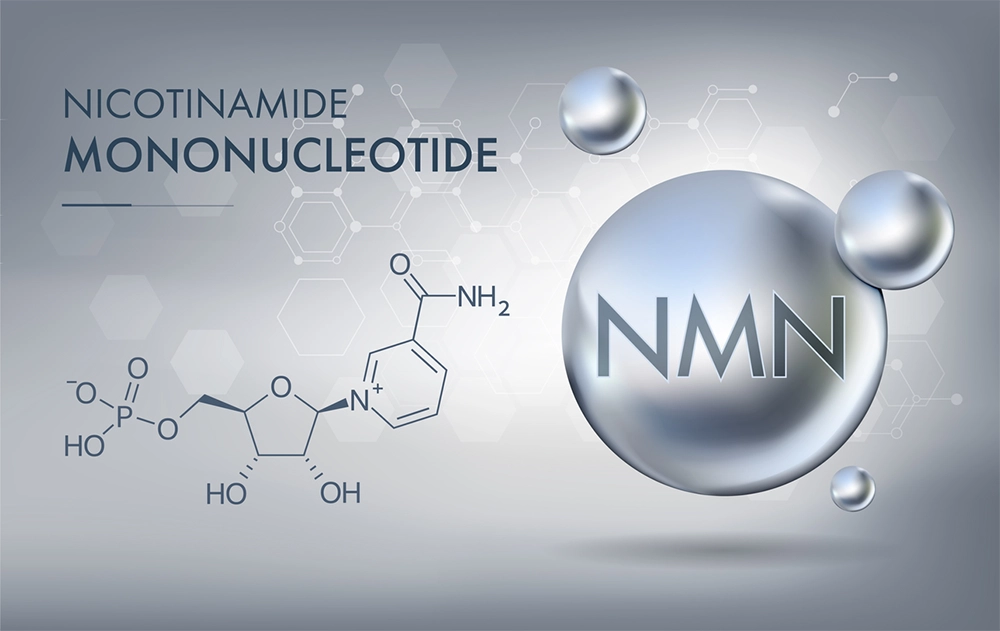
NMN (Nicotinamide Mononucleotide) is derived from vitamin B3 and is a precursor to NAD⁺ a coenzyme found in every cell.
NAD⁺ plays a critical role in cellular energy production (particularly in the mitochondria) and is involved in processes linked to ageing, metabolism, and overall cellular function.
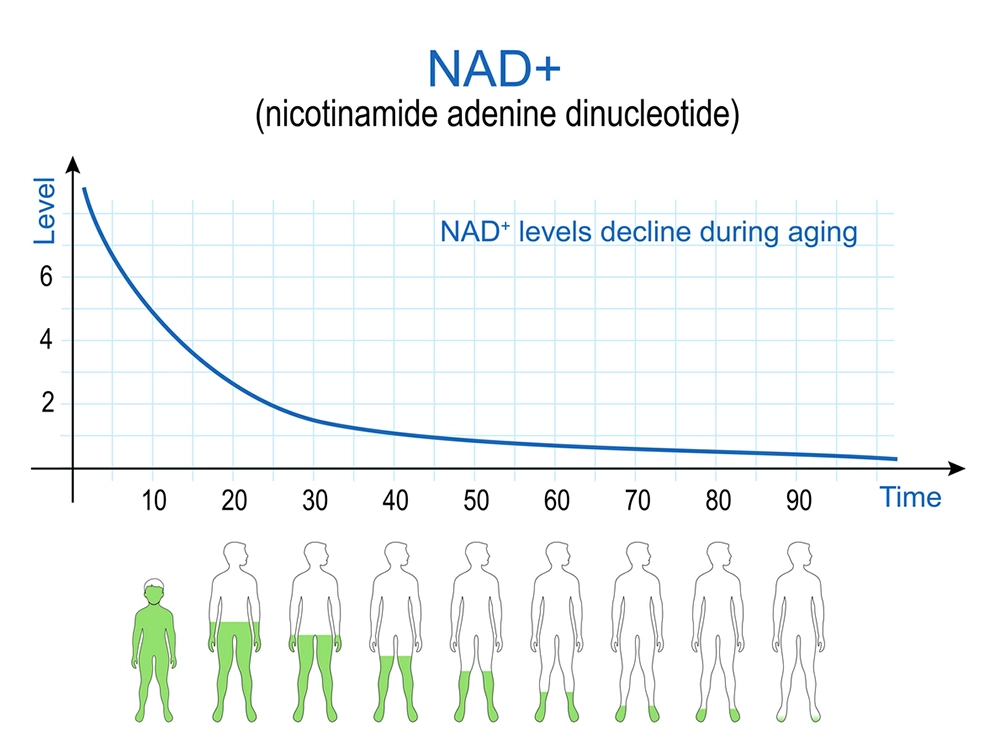
As we age, NAD⁺ levels naturally decline. NMN supplementation is now being used to support NAD⁺ levels and in turn, cellular energy, metabolic health and longevity.
Emerging research suggests it supports:
- Cellular energy production
- Metabolic function
- Healthy ageing pathways
…but it works best when layered on top of strong foundations.
To truly support energy and longevity:
- Focus on wholefood nutrition to provide vital micronutrients (vitamins and minerals)
- Include both strength and aerobic training
- Prioritise quality sleep to support your brain, energy, and long-term health
The bottom line:
NMN can support cellular energy and healthy ageing, but it complements, not replaces, the fundamentals.
A Final Note
I really love how supplements can support the health outcomes of my clients, when they’re used in the right way.
One of my go-to formulas, Energy X, combines key energy nutrients like magnesium and B vitamins, along with a therapeutic dose of carnitine. It’s something I use myself and genuinely love, especially for supporting energy day to day.
Personally, I also add around 3g of creatine to my Energy X before training sessions, it’s a really simple way to support strength, performance, and training output.
I also know a lot of you have been asking about creatine and NMN, so I wanted to make sure you have access to options that are high-quality, evidence-based, and that I trust.
For a long time, NMN has been expensive and difficult to access here in Australia due to TGA regulations, but that’s now changed.
So I’m really excited to share that I’ll now be stocking both creatine and NMN from myBrainCo.
If you’re curious about whether these might be right for you, or how to use them properly, please reach out, I’m always here and more than happy to help guide you.
As always, the foundations come first, prioritising quality nutrition, regular exercise good sleep, and stress management. Supplements are there to support these, not replace them.
I hope this has been helpful.

Teresa,